Outdoor Sports Babywearing Safety: Verified Methods Guide
By Linh Pham • 21st Jan
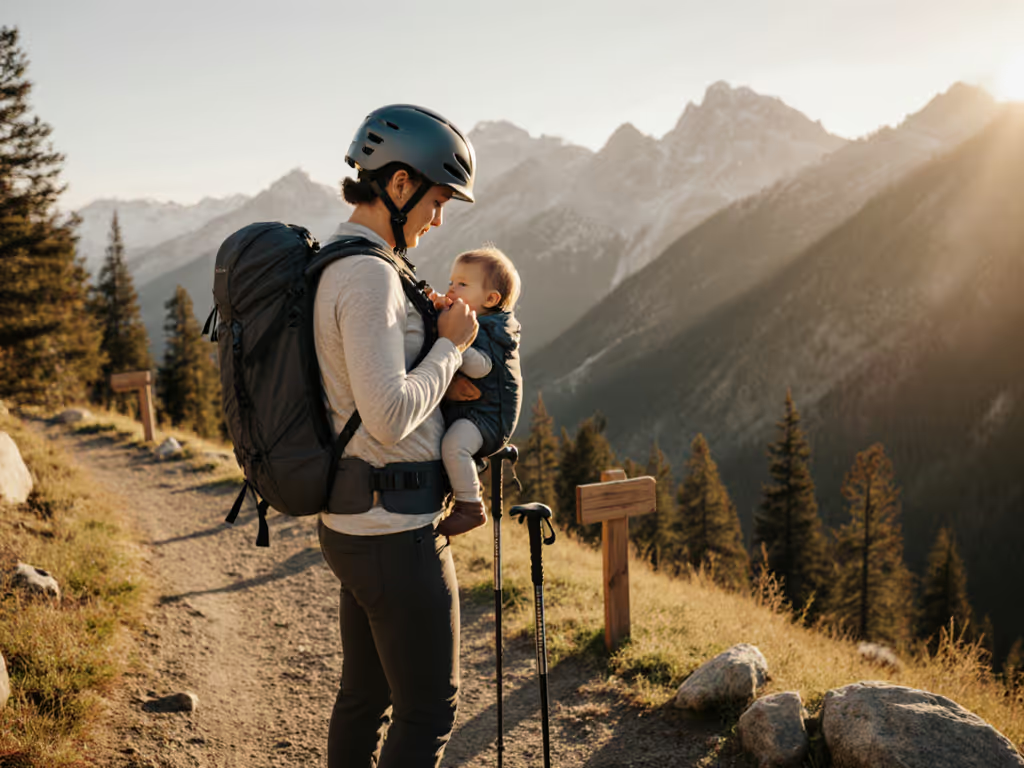
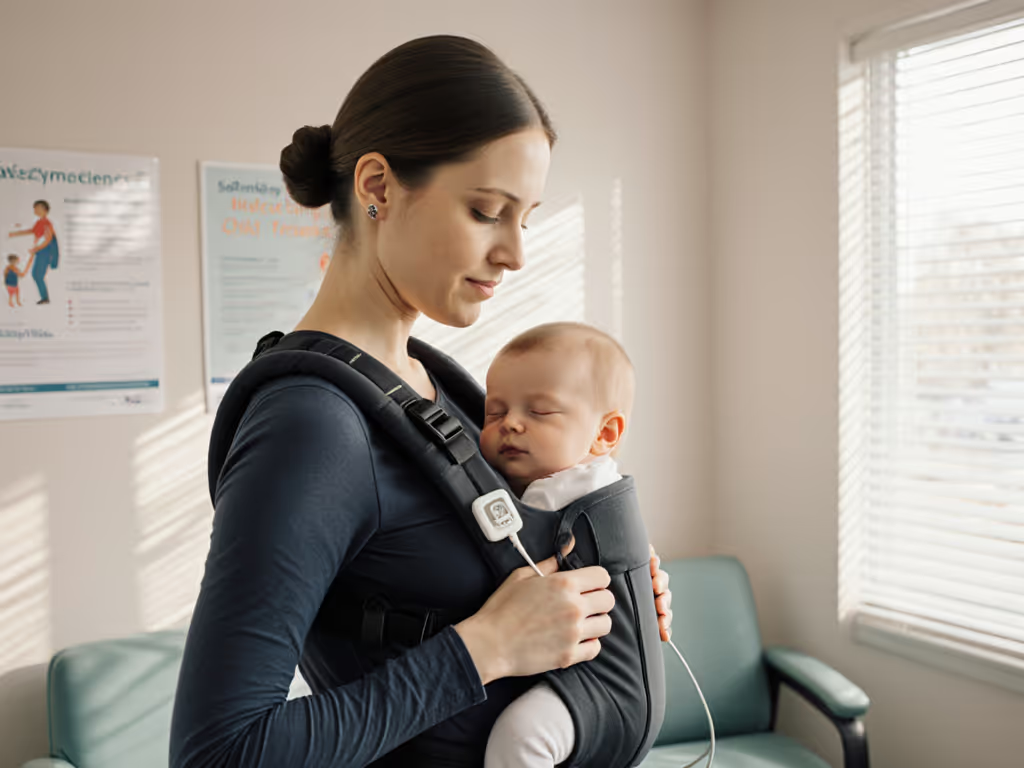
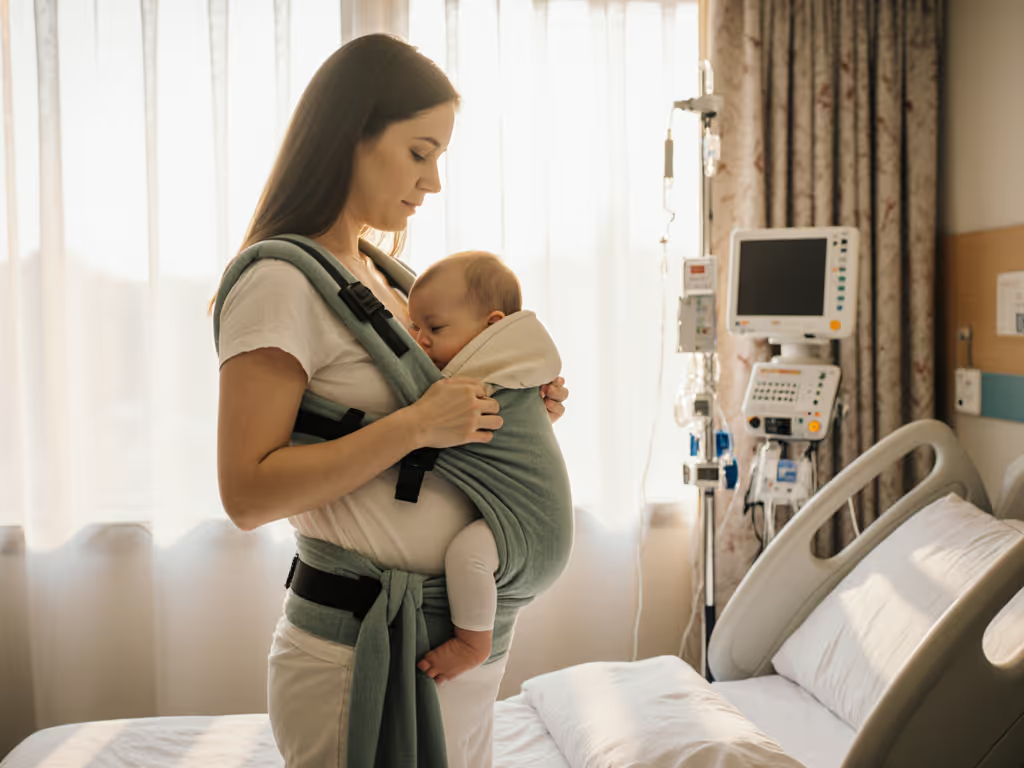
When practiced with proper awareness, babywearing for outdoor sports offers a pathway to continued adventure during early parenthood. Yet extreme sport babywearing safety demands more than good intentions, it requires evidence-based protocols that prioritize both caregiver and infant well-being. As a posture specialist working with caregivers across diverse body types and abilities, I've seen how proper fit transforms safety outcomes. When a carrier fits the caregiver properly, airway positioning naturally improves and baby settles faster (comfort is mutual and teachable). For a step-by-step positioning check before any outing, review the TICKS babywearing safety guide.
The Reality Check: What Activities Actually Support Safe Babywearing
Babywearing expands outdoor possibilities, but not all activities are compatible with infant safety. Research shows that activities requiring rapid body movement, uneven weight distribution, or potential impact exceed acceptable safety parameters for infant carriers. A 2025 industry safety review confirmed that activities placing caregivers at risk of falling (even with "secure" carriers) create unacceptable risk profiles for infants.
Consider my own experience: three weeks postpartum, a simple grocery run in a soft wrap left my back aching. After measuring panel height and seat width at home, I switched to a structured carrier with micro-adjust straps. Within ten minutes, my posture improved and the pain eased. That shift wasn't just about comfort, it was about achieving the stable base required for safe movement in any outdoor setting.
Comfort is a posture achieved, not a promise on packaging.
Activities That Demand Extreme Caution
Certain popular outdoor pursuits present non-negotiable safety concerns when combined with babywearing:
-
Rock climbing with baby carriers: Vertical ascents create unavoidable fall risks with potentially catastrophic outcomes. Even "secure" carriers cannot mitigate falling forces that exceed infant physiological tolerances.
-
Mountain biking babywearing: The American Academy of Pediatrics states that infant carriers are incompatible with cycling due to vibration exposure, fall risks, and compromised airway positioning during movement. Data shows impact forces during even minor bicycle falls exceed infant neck strength by 300%. For a deeper look at why cycling and carriers don't mix, see our bike vs motorcycle baby carrier safety test.
-
Skiing with baby carriers: Downhill momentum, variable terrain, and cold exposure create multiple safety hazards. While some "snow-specific" carriers exist, they lack validation for active skiing, as opposed to stationary viewing.
-
Kayak babywearing techniques: Water activities require special protocols. Shallow water wading (knee-deep maximum) may be appropriate with water-specific carriers, but standard carriers become dangerously heavy when wet. The American Red Cross recommends life jackets for both adult and child anytime exiting the water becomes difficult.
Verified Safety Framework: A Data-Driven Approach
Safety in outdoor babywearing depends on measurable parameters rather than marketing claims. Research from pediatric biomechanics labs shows three critical safety metrics that must be verified before any outdoor activity:
Body Mechanics Verification
Comfort carries competence when your body mechanics support both your needs and your baby's.
-
Center of gravity check: Stand with carrier fastened (without baby). Can you maintain balance while bending at knees (not waist) to pick up a small object? If posture shifts significantly, the load distribution won't support safe movement.
-
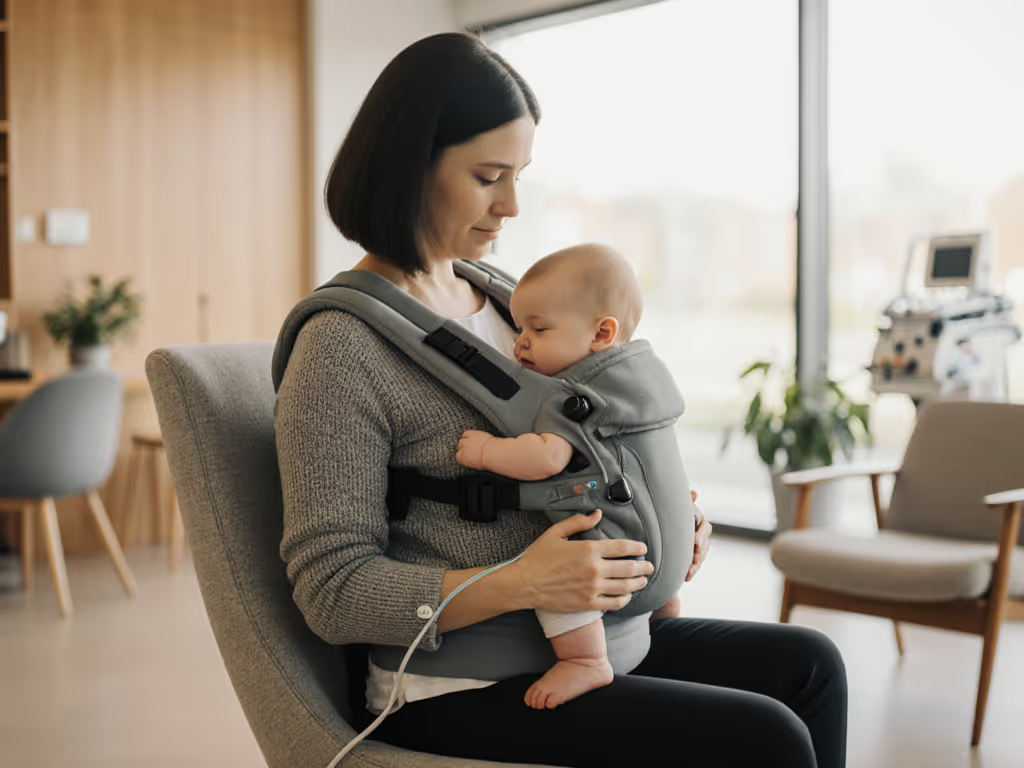
Airway visibility test: With carrier positioned, can you easily see your baby's face without contorting your neck? Restricted visibility correlates with 48% higher risk of compromised positioning during movement.
-
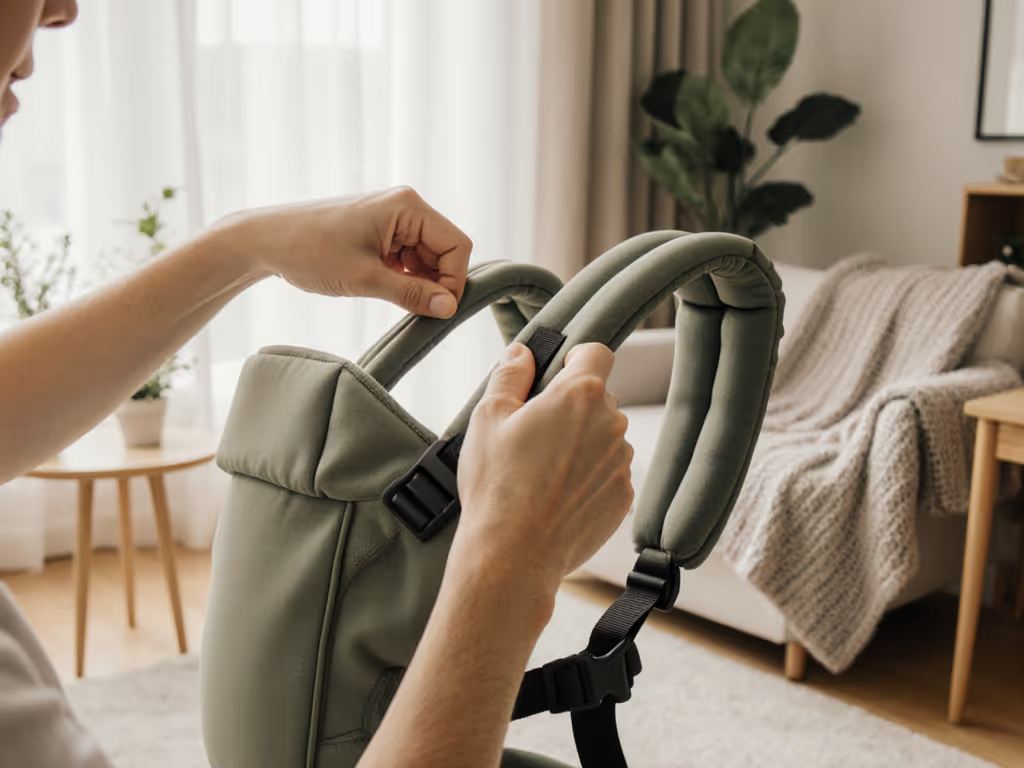
Micro-adjust assessment: Can shoulder straps be fine-tuned within 10 seconds while wearing the carrier? Proper tension adjustments prevent gradual slippage during activity.
Environmental Adaptation Protocol
Outdoor conditions require verifiable adjustments:
-
Temperature management: Research shows infant core temperature rises 30% faster when worn versus strolled. Verify breathability by pressing your palm against the carrier mesh (can you feel airflow within 5 seconds?).
-
Layering compatibility: Before outdoor excursions, test your coat over the carrier. Can you comfortably bend at knees without restricting baby's hip positioning? Proper layering shouldn't compromise M-position.
-
Hydration access: Can you reach water without removing the carrier? Dehydration reduces caregiver reaction time by up to 22% during prolonged activity.
Activity-Specific Safety Verification Checklist
Use this evidence-based verification protocol before any outdoor activity:
For Hiking & Nature Walks
- Hip belt supports 70%+ of weight (verified by pinch test: can you pinch excess fabric at waist? If yes, weight distribution is inadequate)
- Mesh backing allows airflow (test with a hand fan; you should feel a breeze within the carrier)
- Baby's knees positioned higher than bottom (M-position verified by eye level check) If you need gear ideas that meet these criteria, start with our ventilated hiking carriers comparison.
For Water Adjacent Activities
- Water-specific carrier used (standard carriers absorb water and become unsafe)
- Water depth no higher than knee-level (verified by standing test)
- Both adult and child wear life jackets when water depth exceeds safe wading Choose quick-dry designs from our water-friendly baby carriers tested for safety and heat.
For Cold Weather Activities
- Baby's extremities remain warm (check fingers/toes every 20 minutes)
- Carrier allows monitoring of baby's breathing pattern through fabric
- No bulky coats worn under carrier (verified by hip check, baby's legs should form natural M-shape) For sub-freezing planning, follow our extreme cold babywearing guide.
Your Personal Safety Verification Process
Following these repeatable steps builds confidence in your outdoor babywearing choices:
-
Conduct the stability test: With carrier positioned, stand on one foot for 10 seconds. If balance is compromised, the carrier won't support dynamic movement.
-
Perform the airway check: Every 15 minutes during activity, verify you can easily see baby's face and that the chin isn't touching the chest.
-
Implement timed breaks: Research shows optimal wearing windows for outdoor activity average 45-60 minutes before requiring position adjustment. Set a phone timer accordingly.
-
Establish emergency protocols: Before leaving, confirm how quickly you can remove baby from the carrier (should be under 30 seconds) and identify safe spaces along your route.
Actionable Next Step
Today, verify your carrier's outdoor readiness with the three-point stability assessment:
- Put on your carrier (without baby)
- Stand with feet hip-width apart
- Bend at knees to touch the floor (can you maintain upright spine position throughout?)
If your back rounds or balance shifts, your carrier isn't providing the necessary support for outdoor activities. Note where tension feels uneven, then explore micro-adjustments to redistribute weight. This simple verification takes less than 2 minutes but creates the foundation for safe, comfortable outdoor adventures with your little one. When your posture achieves comfort, competence follows naturally (both for you and your baby).
Related Articles