Babywearing with Fibromyalgia: Tender-Point Safe Techniques
By Maya Ortiz • 27th Mar

Babywearing for fibromyalgia is possible, but it requires deliberate carrier selection and wear technique, not assumption. Many caregivers with chronic pain babywearing challenges report that the right setup reduces overall load on their system. The catch: fibromyalgia affects tender points (typically neck, shoulders, lower back, and hips) in ways that standard carrier design often doesn't anticipate. This guide walks through the measurable variables that matter and the practical questions you'll face.
Can I Babywear Safely with Fibromyalgia?
Yes, with caveats. Fibromyalgia involves central nervous system sensitivity to pressure, temperature, and repetitive strain. A poorly fitted carrier compounds this by concentrating weight on trigger points; a well-fitted one distributes load across stronger muscle groups and skeletal structures. The key difference is setup and positioning, not the activity itself. See our Ergonomics in Babywearing guide for a deeper dive into neutral alignment and load paths.
Push back on vague assurances. Instead, ask yourself these threshold questions: Does the carrier allow me to maintain neutral spine alignment? Can I adjust strap length and tension without creating pressure hot spots? Does the fabric breathe, or will heat sensitivity worsen symptoms during wear?
What's the Role of Carrier Fit in Pain Management?
Fit determines load distribution. A snug, high-riding carrier keeps the baby's center of mass closer to your core, reducing the lever arm that strains your lower back and hips. Loose wraps and poorly tensioned structures dump weight onto tender shoulders and the sacroiliac joint, exactly where fibromyalgia pain often lodges.
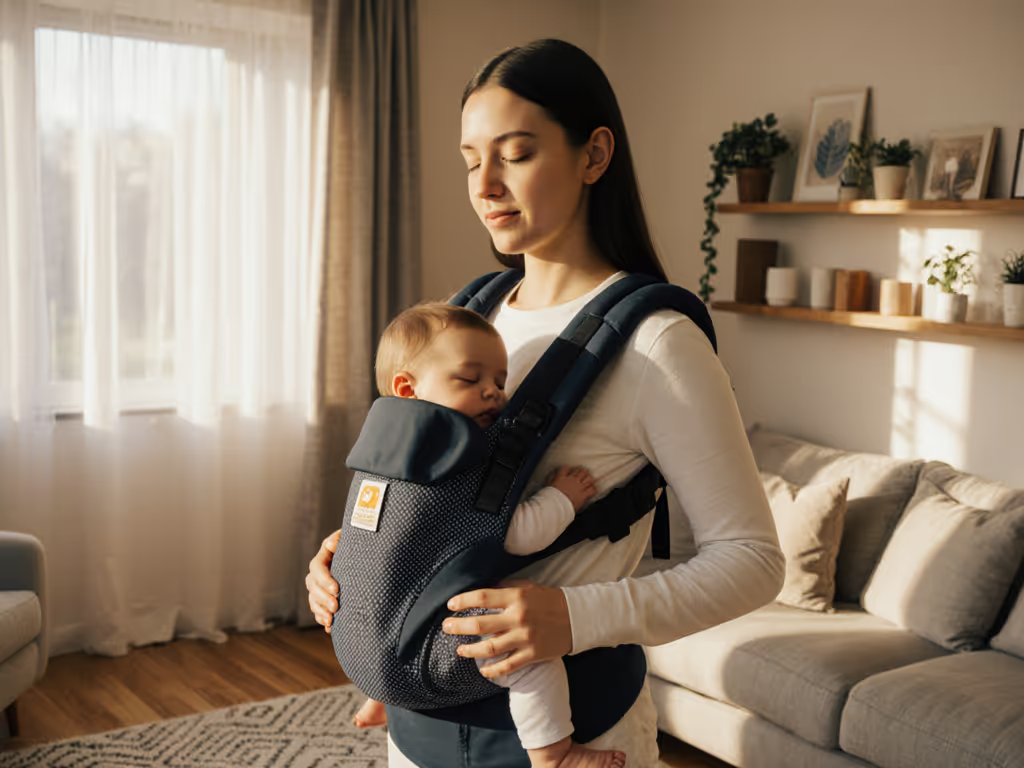
One evidence-based principle: carry your baby high and close to your body. Aim for baby's bottom positioned above your navel and the fabric tensioned so there is minimal slack. This isn't comfort theater; it's biomechanics. When baby sits lower, your lower back absorbs more force. When fabric is loose, you unconsciously tense your shoulders and neck to stabilize the load.
Specific measurement: check that you have roughly 15 centimeters (about 6 inches) of space between your chest and the wrap or carrier front when empty. That's the sweet spot, snug enough to feel secure without restriction.
Which Carrying Positions Reduce Tender-Point Strain?
Position matters as much as the carrier itself.
Back carrying. Once your baby has head control (typically 3 to 4 months), move them to your back. This shifts the load from your tender shoulders, neck, and lower back to your ribcage and spine, structures designed to withstand compression. You also restore your core's ability to engage, taking strain off your sacroiliac joint and pelvic floor. This is non-negotiable for long wears (beyond 30 to 45 minutes) if you have fibromyalgia.
High, centered carries. If you must carry on your front, keep the baby positioned high (knees at or above hip level) and centered on your body. Avoid outward-facing carries, which force you to arch your lower back and stick out your belly, concentrating weight there.
Maintained neutral spine. Keep your hips square and your pelvis level (no dropping one hip to rest the baby on a "shelf"). This stance feels awkward at first, especially if you've favored one side for years. But it distributes the load bilaterally, sparing your tender points from asymmetric strain.
What Carrier Features Should I Prioritize?
Start with fibromyalgia-friendly carriers that offer these non-negotiables:
Adjustable, padded shoulder straps. Your tender shoulders can't tolerate thin or fixed straps. Width matters; 2+ inches of padding spreads pressure across a larger surface. Ensure straps are fully adjustable so they sit in a neutral position without rolling or bunching.
Broad waist belt. A thin waist strap concentrates pressure on your lower back and hips. Seek a waist belt 3 to 4 inches wide that sits above your hip bones, not directly on them or your sacroiliac joints.
Weight-distributing frame or structure. Soft-structured carriers with internal or external frames (like an Ergo Sport or similar design) distribute weight across shoulders, hips, and spine more evenly than a draped wrap alone. If chronic back pain is your main limiter, compare our spine-healthy carriers tested for lumbar support and balanced weight distribution. For wraps, babywearing with tender points means learning to thread the wrap so it spans your entire torso, not bunched at one shoulder.
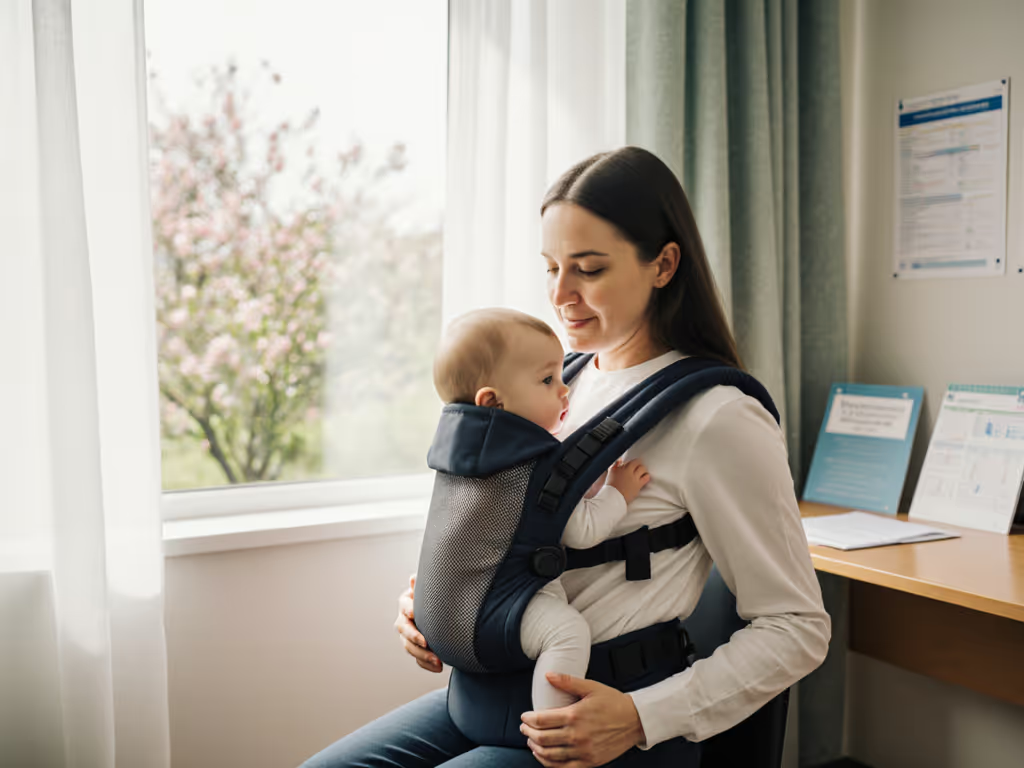
Breathable fabric. Temperature sensitivity is common in fibromyalgia; trapped heat triggers fatigue and flare-ups. Look for carriers made from mesh, linen blends, or open-weave cotton. I've tested this: on a July bus commute, I wore a mesh carrier while tracking skin temperature and humidity with a clip-on sensor. By minute eight, my son had settled into sleep and stayed there for forty-five minutes. The next day, I switched to a knit, thicker and less breathable, and he woke sweaty and fussy. That contrast taught me that breathability isn't a bonus, it is a measurable comfort variable. Especially with fibromyalgia, fabric choice directly impacts your tolerance window.
How Do I Set Up a Carrier to Minimize Pain?
Setup technique separates tolerable wears from flare-triggers.
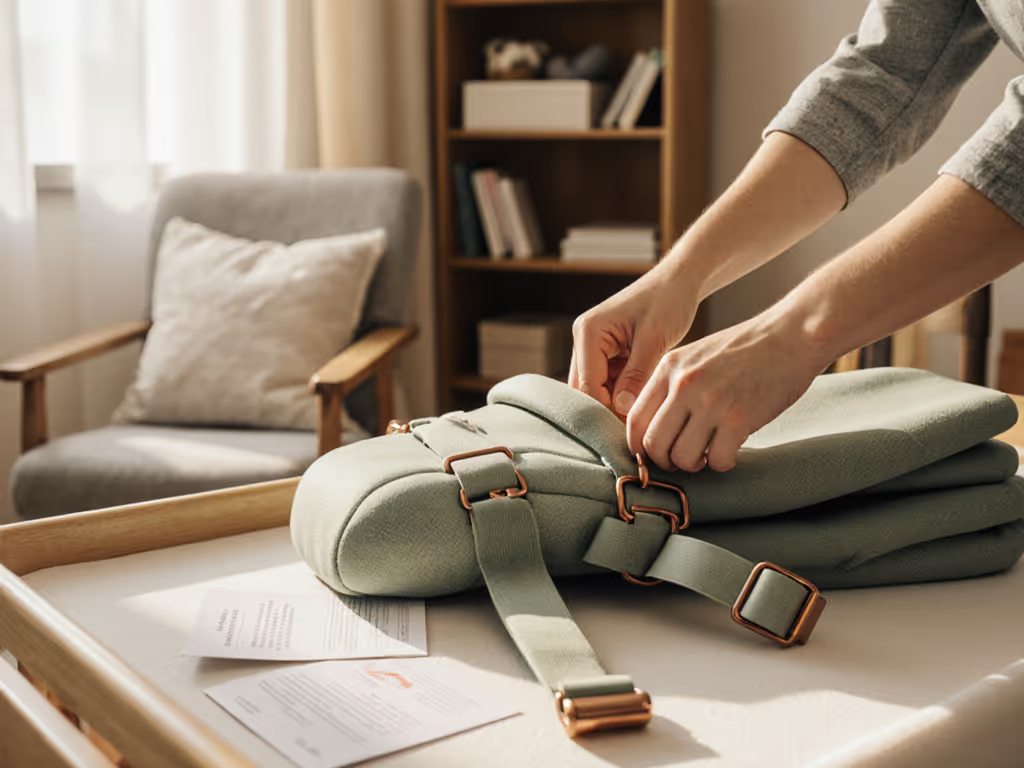
Pre-wear tension check. Before placing your baby in, tighten the wrap or carrier fully on your body (as if it is empty). Pull the shoulder straps taut, smooth any twisted fabric, and snug the waist belt. This step takes 60 to 90 seconds but prevents a loose, slumping load that forces your shoulders and neck to compensate.
Progressive baby placement. Don't plunk a full baby in at once. Once your baby is secure (check airway positioning with TICKS, chin above fabric), adjust straps again if needed. Feel where pressure sits. If it's gouging into your collarbones or pressing your tender neck, loosen and re-thread, even if it means removing the baby briefly.
Strap symmetry. Adjust both shoulder straps to equal tension. Many people unconsciously tighten one side, creating asymmetric load, a direct trigger for fibromyalgia flares in your shoulders and upper back.
Low-pressure waist positioning. Wear the waist belt at or slightly above your natural waist, not low on your hips. This shifts some weight toward your spine (which tolerates it) rather than your tender SI joints.
How Long Can I Realistically Wear My Baby?
Honestly assess your pain window. Caregivers with fibromyalgia typically report 45 to 90 minutes of comfortable wear before fatigue and tender-point sensitivity increase. This varies by carrier design, fabric, and your baseline pain.
Don't push through flare signals: burning shoulders, sharp SI joint pain, or numbness in your arms are red flags. Stop, remove your baby safely, and rest. Pushing through builds resentment toward babywearing and extends recovery time.
Strategy: fit before flair. Use two carriers: a quick-on option (unstructured wrap or buckle carrier) for short errands (under 20 minutes) and a padded, structured carrier for longer outings where comfort justifies setup time. This prevents both repetitive strain and the frustration of trying to force one carrier to work for all scenarios.
What Adjustments Help with Heat and Sensory Sensitivity?
If fabric warmth triggers fatigue or itching, layer your clothing strategically: wear a thin, moisture-wicking undershirt, then the carrier over it, rather than against bare skin. This buffers sensory input without requiring a different carrier.
For humidity and heat, plan carriers in mesh or unstructured wraps for summer. For lab-tested picks that manage sweat in tropical climates, see our humidity-tested carriers. If you live in a hot or humid climate, accept that back carries, while ergonomically ideal, may spike your core temperature. Front carries in mesh allow more air circulation, a reasonable compromise if back carries consistently flare your pain.
Where Should I Go for Personalized Guidance?
Consult a babywearing consultant or physical therapist experienced with fibromyalgia. They can assess your posture, tender-point sensitivity, and individual limitations, factors no generic article can address.
Ask for a fit check that focuses on load distribution and neutral alignment, not just "safety" (airway checks are non-negotiable, but pain-specific adjustments are separate). Many communities have free or low-cost babywearing support groups; some run virtual fit checks too.
If you experience new or worsening pain, nerve symptoms, or pelvic floor dysfunction after starting babywearing, consult your fibromyalgia care team or a pelvic floor specialist. Babywearing can be part of your routine, but only if it does not derail your recovery or symptom management.
The goal isn't perfect form or hours of wear. It's sustainable, pain-managed closeness with your baby. Build from small successes: a 15-minute walk without flare, a hands-free lunch, a calm commute. Your body's feedback is data. Listen to it.
Related Articles