Babywearing for Autistic Parents: Sensory Fit
By Zoe Mwangi • 15th Feb
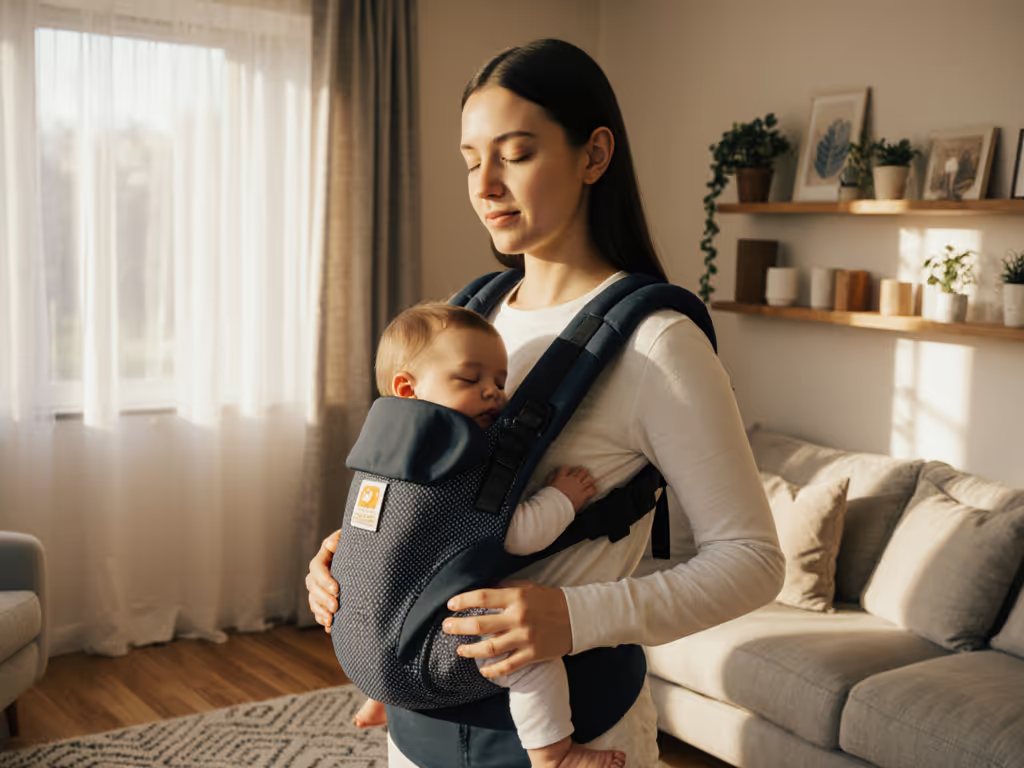
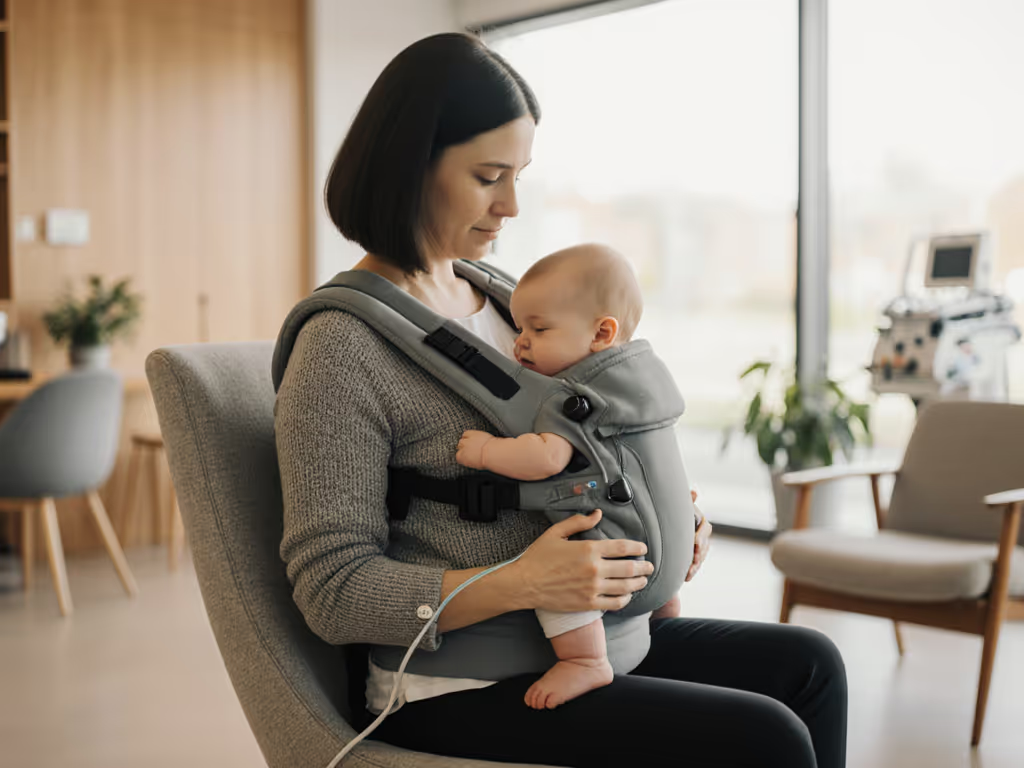
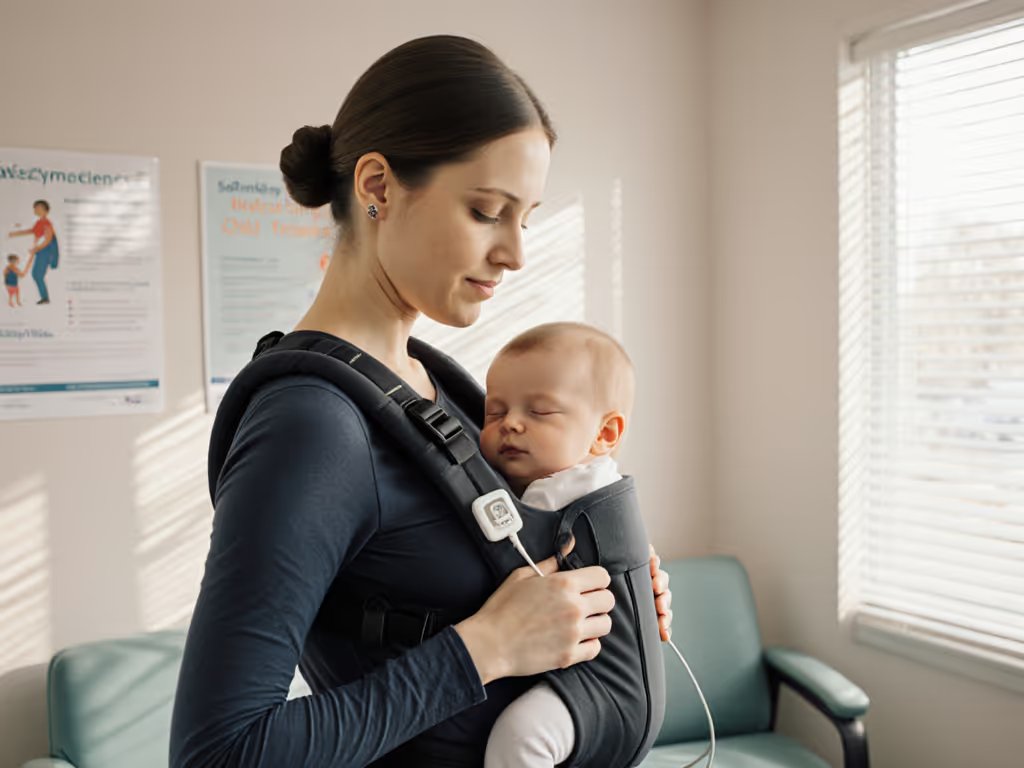
When you're a neurodivergent parent preparing for babywearing (whether your child is autistic, sensory-sensitive, or you're managing your own sensory needs), the standard carrier advice falls short. Babywearing for autism requires a two-lens evaluation: what the research actually supports for your child's development, and what will realistically fit your sensory, physical, and financial reality. The difference between a carrier you tolerate and one that genuinely works can mean three years of hands-free presence versus a closet of expensive mistakes.
The Evidence for Autistic Children
Let's start with what the research shows. Studies confirm that babywearing provides measurable benefits for children with autism spectrum disorders, though the specificity matters[1]. The deep pressure aspect of babywearing (the gentle compression of a well-fitted carrier) can calm children and reduce stimming behaviors, a finding grounded in occupational therapy and sensory integration work[1]. Vestibular stimulation from the gentle rocking motion has been linked to improvements in language, parallel play, motor skills, and reduced self-stimulatory behaviors in autistic children[1].
For children with sensory processing differences, babywearing creates what researchers call a "swaddling" effect for older infants (tight proprioceptive input without the restrictive feeling of actual swaddling)[1]. This matters because many autistic and sensory-sensitive children actively seek this kind of input; babywearing offers it while keeping your hands free and your child included in your day-to-day routines.
That said, the evidence base is honest about its limits. Most studies focus on very young infants or premature infants in neonatal care[4]. Research specifically on babywearing as a standalone intervention for autism spectrum disorders is still emerging, and what exists is not yet abundant[1]. This means you're making decisions on promising evidence, not definitive proof, which is why the carrier you choose needs to be flexible enough to evolve with your child, resellable if it doesn't work, and chosen based on clear amortization math rather than hype.
The Sensory Reality for Neurodivergent Parents
What often gets overlooked in babywearing discourse is that autistic and neurodivergent parents have their own sensory needs. If you experience sensory overload from textures, pressure, temperature sensitivity, or proprioceptive overwhelm, a carrier that feels clingy, uses scratchy synthetic fabrics, or requires constant micro-adjustments will exhaust you far faster than any benefit to your child. For practical, low-sensory setups, see our SPD-friendly babywearing guide tailored to caregiver needs.
The dual sensory load is real. You're managing your own nervous system while providing the calm presence your child needs. A carrier that traps heat, digs into your shoulders, or requires complex setup will compound cognitive load during the exact moments (transitions, errands, daycare drops, sensory peaks) when you most need hands-free stability.
This is where plain-spoken trade-offs matter. Some carriers prioritize baby-specific features (deep sleep support, newborn positioning) at the cost of parent comfort. Others favor adjustability and breathability but require longer learning curves. Your task is to match the carrier's actual strengths to your specific combination of sensory needs, body dimensions, and real use-cases, not to the marketing copy or the endorsements of parents with different neurology.
The Comfort-Hours-Per-Dollar Framework
Value is comfort-hours per dollar, not the sale sticker. I learned this during parental leave when I bought three pre-owned carriers for less than the retail price of one new option. I tracked every hour worn, tracked resale value, and discovered something counterintuitive: two carriers moved on at near-cost because they solved a specific use-case for a few months, then didn't. One stayed because it solved multiple routines (daycare drops, dishes, contact naps, short walks), and the amortization math kept favoring it.
For neurodivergent parents, this calculation is even sharper. If you're sensory-sensitive, the carrier you choose needs to deliver comfort across at least 3-4 different contexts (errands, naps, hands-free household tasks, longer outings) or the cost-per-useful-hour becomes unsustainable. A $200 carrier worn 20 hours per month for 18 months costs about $0.37 per hour. The same carrier worn only 8 hours per month costs $0.93 per hour, and if it causes shoulder pain or sensory irritation, the psychological cost climbs even higher.
Buy once, cry never. This isn't about spending the most; it's about spending thoughtfully on something that actually fits. Pre-owned markets for major carrier brands are robust (many autistic and neurodivergent parents resell after discovering a misfit). Before you buy used, review our second-hand carrier safety checklist so fit experiments stay safe and budget-friendly. Use that. Start secondhand if budget is tight, trial the carrier in your real life for a few weeks, and commit to keeping or reselling only after you've amortized the learning curve.
Comparative Fit: What Changes for Sensory-Sensitive Caregivers
-
Fabric weave and breathability: Tightly woven synthetic blends trap heat and can feel suffocating during sensory peaks. Look for carriers with linen blends or cotton-heavy construction if overheating is a trigger. Test the fabric against your inner wrist before committing.
-
Strap pressure distribution: Narrow straps concentrate pressure and are more likely to trigger proprioceptive discomfort. Wider, padded straps distribute load and reduce fidgeting. Check if strap width is customizable.
-
Buckle and setup complexity: Multi-step buckle systems demand cognitive resources you may not have on difficult sensory days. Carriers with simple clip-and-go designs reduce decision fatigue. Measure realistic setup time (under 60 seconds is the functional threshold).
-
Waist belt pressure: Some carriers require firm waist pressure for hip positioning; for parents with back pain, hypermobility, or sensory aversion to abdominal compression, this is a dealbreaker. Confirm adjustability ranges against your actual measurements.
-
Adjustability for multi-user fit: If multiple caregivers will wear the carrier, avoid models requiring complete re-rigging each time. Preset positions or quick-adjust mechanisms save time and reduce frustration.
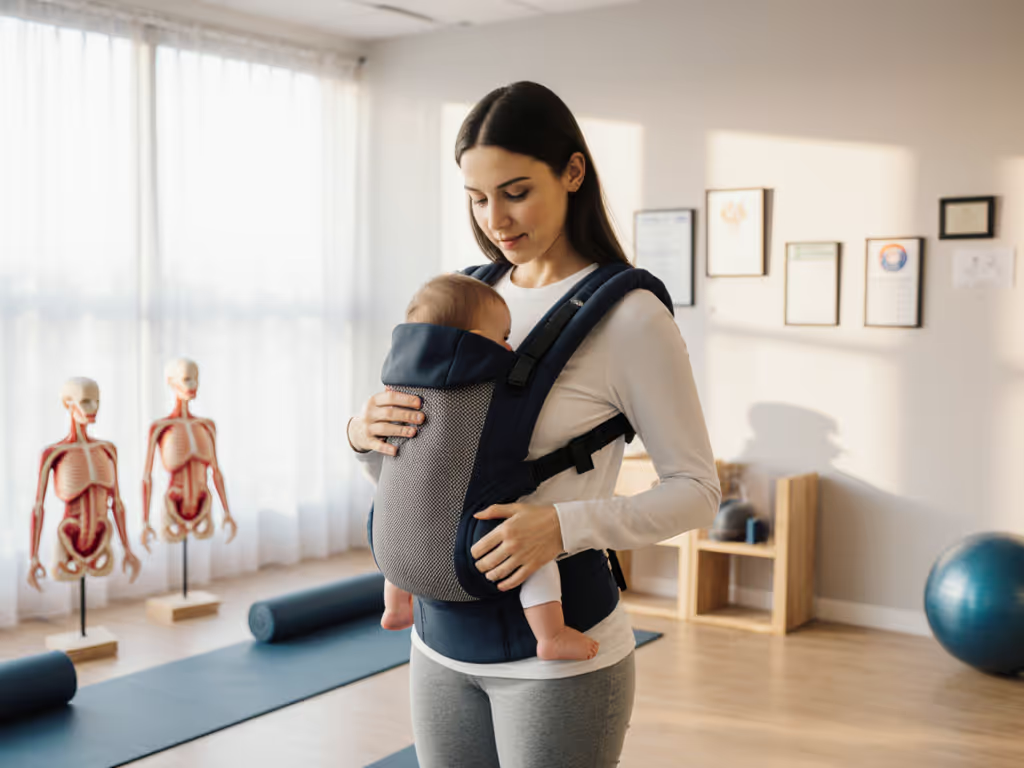
Research confirms that proper carrier positioning supports the child's natural hip development and can reduce hip dysplasia risk, especially if carriers are worn in the correct M-position (hips higher than knees)[4]. For autistic children, this positioning also optimizes vestibular input. But a carrier with "correct" positioning that causes you pain is unsustainable.
Evidence-Based Expectations
If your child is autistic, babywearing will likely support language exposure (you'll narrate more of your day; they'll hear normal conversation and see social interaction) and may reduce crying or facilitate longer alert-quiet periods for learning[3]. For children with sensory needs, the deep pressure and rhythmic motion can be genuinely calming, though results vary widely by individual[1][2].
However, babywearing is one tool, not a substitute for occupational therapy, speech therapy, or other interventions your child may benefit from. The evidence is strongest when babywearing complements, rather than replaces, other support[1]. Manage expectations: your autistic child may love being worn, or may find it overstimulating on certain days. You'll need a carrier that's easy enough to transition in and out of quickly. If fast, low-effort setups are critical, our adaptive babywearing guide covers one-handed adjustments and low-cognitive-load carriers.
Your Actionable Next Step
Before buying or borrowing a carrier, audit your non-negotiables: (1) Which two or three real-world activities will this carrier need to serve? (2) What are your sensory dealbreakers (fabric type, strap pressure, heat, complexity)? (3) What is your realistic budget, and does the secondhand market have options in that range? (4) Can you trial the carrier for at least 3 weeks in your actual routines before committing to a full-price purchase?
Search carrier reviews specifically for neurodivergent parents (Reddit communities and disability-focused parenting spaces often surface honest, granular feedback that mainstream reviews miss). Check the return policies and secondhand resale history of any brand you're considering; a strong resale market signals that carriers work for real people, not just marketing.
Your child may benefit from the vestibular and proprioceptive input that babywearing provides. You'll benefit most from a carrier that respects your sensory system and fits your actual life. The intersection of those two truths is where durability, resale value, and genuine comfort converge.
Related Articles